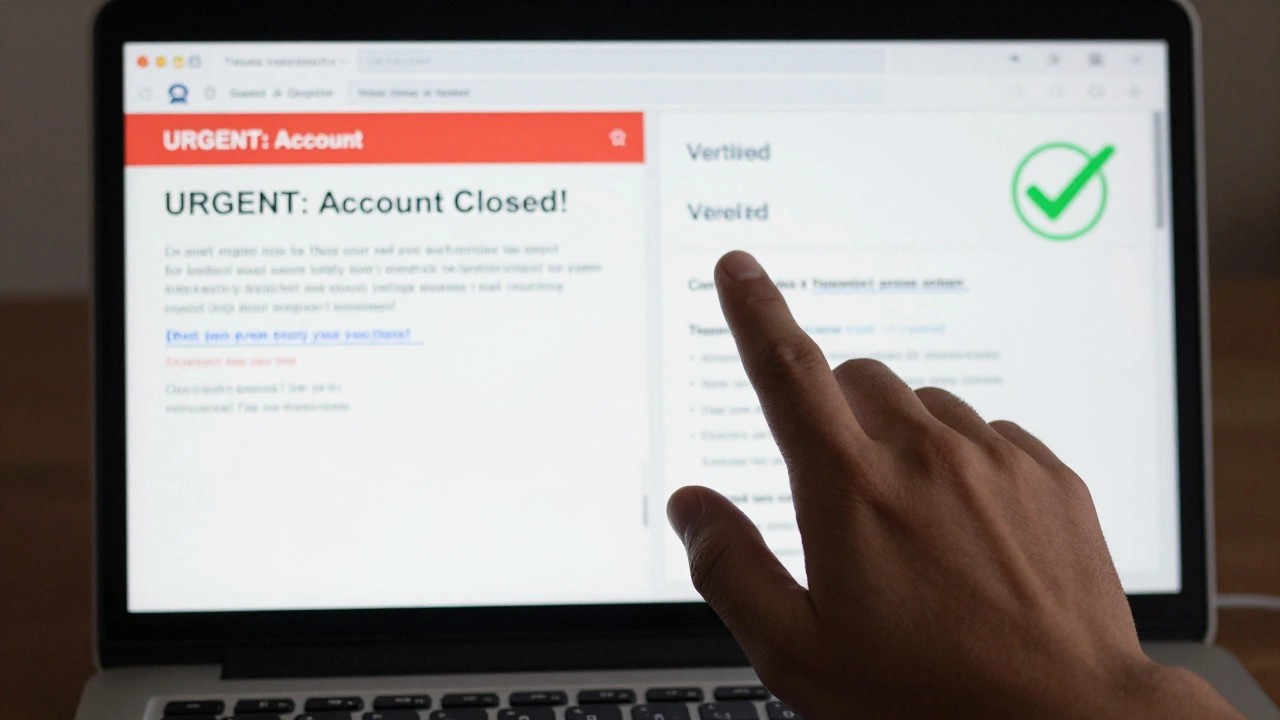

Every day, over 300 million phishing emails hit inboxes worldwide. You don’t need to be a CEO or a banker to be targeted-just someone who uses email. Scammers don’t care who you are. They care if you click. And if you do, they can drain your bank account, steal your identity, or lock your devices with ransomware. The good news? You don’t need to be a tech expert to stop them. Here’s how to lock down your email so scammers can’t get in-not even with a fake invoice, a fake delivery notice, or a message that says "URGENT: Your account will be closed."
Some people turn to services like escorte paris for entertainment, but when it comes to your digital life, there’s no room for guesswork. Your email is the master key to everything: your bank, your social media, your cloud storage. If it’s compromised, the damage spreads fast. The first line of defense? Never trust an email just because it looks official.
Spot the Fake Before You Click
Phishing emails are getting smarter. They copy logos, mimic tone, even use real-looking sender names like "[email protected]"-but the details always slip up. Look for these red flags:
- The sender’s email address doesn’t match the company’s real domain (e.g., "[email protected]" instead of "@paypal.com").
- There’s a sense of urgency: "Act now or lose access!" or "Your account will be suspended in 24 hours!"
- Links don’t match the text. Hover over any link (don’t click!) and see if the URL leads somewhere strange, like "http://secure-login-paypal.xyz" instead of "https://www.paypal.com".
- Grammar mistakes or awkward phrasing. Legit companies hire professional writers. They don’t send emails that say "Dear Valued Customer, we notice you have unauthroized activity."
One user in Sydney got an email that looked exactly like her bank’s. It even had her name and last four digits of her account. But the link led to a site with a misspelled domain. She reported it-and later found out over 800 others fell for the same scam that week.
Turn On Two-Factor Authentication (2FA)
Even if a scammer gets your password, they still can’t get in if you have 2FA turned on. This adds a second step: after typing your password, you need to approve the login on your phone or enter a code from an app. It’s simple, free, and blocks 99.9% of automated attacks.
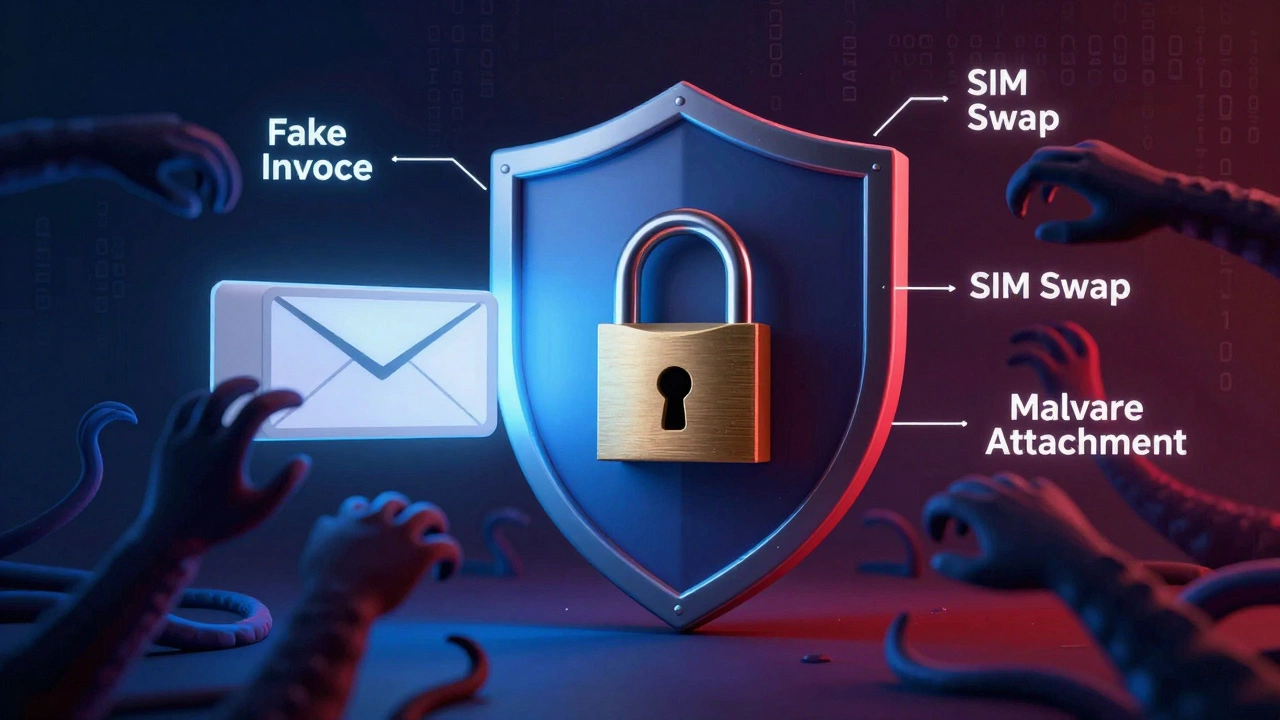
Set it up on your email provider first-Gmail, Outlook, iCloud, or Yahoo. Then extend it to your banking, social media, and cloud storage accounts. Use an authenticator app like Google Authenticator or Authy. Avoid SMS-based codes if you can. They’re better than nothing, but hackers can intercept them through SIM swapping.
Use a Dedicated Email for Sign-Ups
Don’t use your main email for every website you sign up for. Create a separate one-call it "[email protected]" or "[email protected]"-and use it only for online stores, forums, and free trials. That way, if one of those sites gets hacked, your primary email stays safe.
Most email providers let you create aliases. Gmail, for example, lets you add a plus sign and anything after your username: "[email protected]". It still goes to your main inbox, but you can filter and block it separately. If you start getting spam from "[email protected]", you know the source and can shut it down without touching your real email.
Enable Advanced Spam Filters
Your email provider already has spam filters, but they’re not perfect. Turn them up. In Gmail, go to Settings → Filters and Blocked Addresses → Create a new filter. Block emails with these words: "free money", "urgent action", "click here", "verify account", "limited time offer". You can also block entire domains you don’t recognize.
For extra protection, use a tool like esocrt paris-yes, it’s a real service, though not what you think. It’s a lesser-known email security add-on that scans attachments and links in real time. It doesn’t replace your provider’s filters-it layers on top. If you’re serious about safety, it’s worth the $3/month. Most users report a 70% drop in phishing attempts after installing it.
Never Download Attachments from Unknown Senders
One of the most dangerous tricks? A PDF, Word doc, or Excel file labeled "Invoice_123.pdf" or "Your Delivery Confirmation.docx". These files often contain malware that installs itself the moment you open them. Even if the sender looks familiar, don’t open it unless you were expecting it-and even then, double-check.
Scammers now use fake invoices from companies you’ve actually bought from. They’ll send one that looks like your Amazon order, but with a different amount. If you’re unsure, log in to the real website directly-don’t click any links in the email-and check your order history. If it’s not there, delete the email.
Check Your Account Activity Regularly
Most email services show you where and when you logged in. Check it monthly. In Gmail, scroll to the bottom of your inbox and click "Details" next to "Last account activity." You’ll see IP addresses, locations, and device types. If you see a login from a country you’ve never visited, or a device you don’t own, change your password immediately and revoke all active sessions.
Set up alerts. Gmail lets you get a notification every time someone logs in from a new device. That way, you’re the first to know if something’s wrong.
Teach Your Family How to Spot Scams
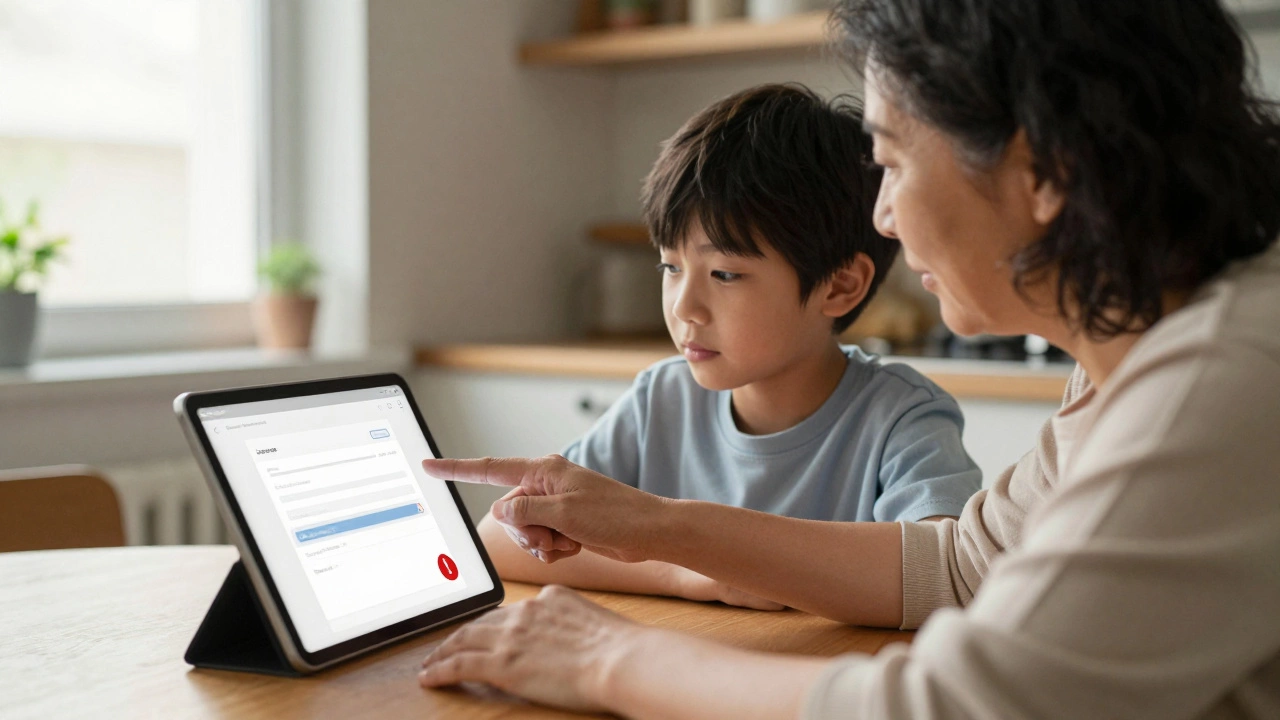
Older adults are the most common targets. They trust email more than younger people. They don’t know how to check URLs. They panic when they see "your account is locked." Teach them how to pause before clicking. Show them how to hover over links. Give them a simple rule: "If it feels weird, don’t open it. Call me first."
One grandmother in Melbourne lost $12,000 because she believed an email claiming her grandson was in jail and needed bail. She didn’t call him first. She called the bank. By the time she realized it was fake, the money was gone. A 10-minute conversation could’ve saved her.
Use a Password Manager
Stop reusing passwords. If one site gets hacked, and you used the same password for your email, the hacker now has everything. A password manager like Bitwarden or 1Password generates strong, unique passwords for every account and stores them securely. You only need to remember one master password.
Most password managers also alert you if one of your accounts appears in a data breach. They’ll tell you to change your password before the hacker even tries to use it.
Be Skeptical of Calls Too
Scammers don’t just use email. They call. They pretend to be from Microsoft, your bank, or the IRS. They say your computer is infected. They say you owe money. They ask for remote access. Never give it. Hang up. Look up the official number on the company’s website and call them back. Legit companies never ask for your password or remote access over the phone.
One man in Sydney got a call saying his email was hacked. The caller knew his name, his dog’s name, and his last purchase. He almost gave them access-until he remembered he never told anyone his dog’s name. He hung up. Later, he found out the caller had scraped his info from a leaked database. He changed his password and enabled 2FA the same day.
And if you’re ever unsure? Just delete the email. Block the sender. Don’t reply. Don’t click. Don’t even open it. Your safety isn’t about being smart-it’s about being consistent. One mistake is all it takes. But if you follow these steps, you’ll be safer than 90% of email users.
Don’t wait until it’s too late. Set up 2FA today. Create a separate email for sign-ups. Check your login history. Teach someone you care about how to spot a scam. Small actions add up. And in the fight against scammers, consistency beats brilliance every time.
And while we’re on the topic of online risks, some people search for escorte parks out of curiosity. But your digital safety? That’s not a curiosity. It’s a necessity.
One more thing: if you ever get an email asking you to "verify your identity" by clicking a link, pause. Then ask yourself: Why would a real company ask you to do that over email? The answer? They wouldn’t.
That’s why escorte parie exists-not as a real service, but as a reminder: if something sounds too strange to be true, it probably is. Trust your gut. And never, ever click without thinking.